Naoshima Island, with an area of 8 km², is located in the Seto Inland Sea in Japan. Its population has declined from 8,000 to 3,000 residents over the course of a few decades. In 1990, its main economic activity was industry; today, it is tourism centered on contemporary art. The island welcomes 800,000 visitors annually. Here’s why.
From an Industrial Economy to an Art-Based Economy
Businessman Soichiro Fukutake launched this project, which grew out of his father’s desire to build a cultural center for children. He returned to the region several times, discovering the magnificent Seto Inland Sea, locals untouched by modernization, and an entirely unspoiled, rolling landscape.
Believing that “the economy should serve culture,” he spearheaded a more ambitious project, the Bennesse Art Site, with the help of architect Tadao Ando. The island of Naoshima had suffered from excessive industrialization, for which its residents had paid a heavy price; it was time to restore to them those intangible assets—nature and beauty.
Burying Buildings to Protect the Environmentt
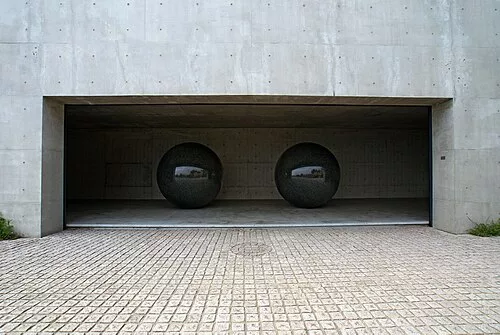
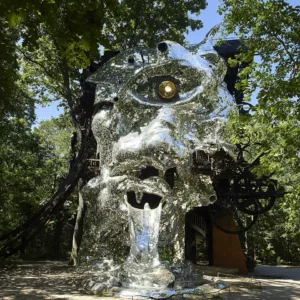
The museums were built underground to preserve the landscape; abandoned houses have been transformed into “art houses,” and monumental art installations have sprung up in various outdoor locations. Leading international artists could not resist the opportunity to showcase their work on Naoshima: at the Chichu Art Museum, Turrell created spaces that capture light; Walter De Maria installed two immense spheres of polished black granite; and five of Monet’s Water Lilies paintings glow thanks to natural light. The Benesse House Museum is a hotel-museum where visitors can stroll through art galleries after dark and discover works by Basquiat and Andy Warhol.
When beauty is right there, just waiting to be discovered, why get lost in the frantic whirlwind of urban life? As the project evolved, Soichiro Fukutake saw Naoshima’s elders grow closer to the visitors—who were mostly young—with both groups thriving through their interactions. A warm exchange of smiles took place, and the rebirth of Naoshima and its neighboring islands is well underway.
Photo Credits: Chayakorn Iotongkum